Torn between the ease of a single-story and the space of a two-story in Anthem Country Club? You are not alone. Buyers here range from active adults to move-up families, each weighing stairs, privacy, yard space, and cooling costs in the desert heat. In this guide, you will learn how story count affects your daily living, energy bills, and resale potential so you can choose a plan that fits your lifestyle now and later. Let’s dive in.
Anthem Country Club context
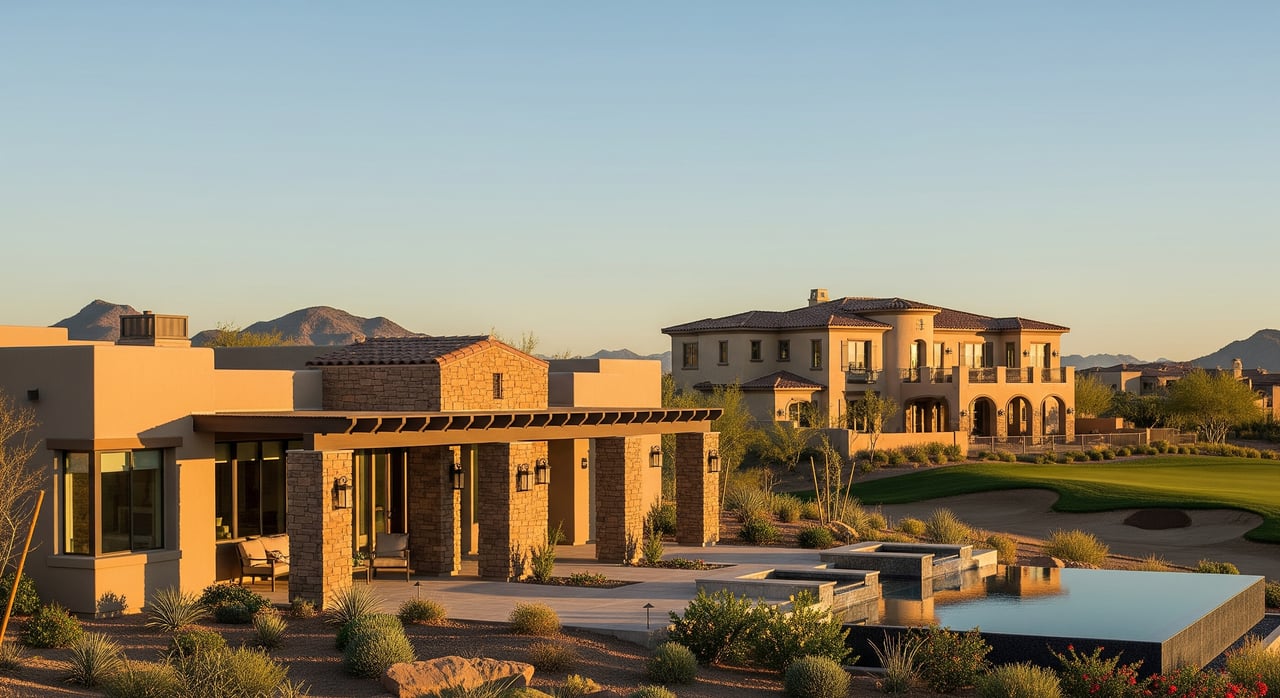
Anthem Country Club in Maricopa is a planned, gated community that attracts retirees, active adults, and move-up families. Many buyers come for golf, clubhouse amenities, and low-maintenance living. In this setting, lifestyle features like views, patios, and privacy often matter as much as square footage.
Maricopa’s hot, arid climate shapes how homes live and how they perform. Cooling dominates utility bills. Roof and wall heat gain, window orientation and shading, attic insulation, and HVAC zoning all affect comfort and cost.
Single-story: what to expect
A single-story offers simple daily living and strong indoor-outdoor flow, which is a natural fit for a country-club lifestyle.
Pros:
- One-level living that suits aging in place and easy everyday movement.
- Direct connection from living areas to patios and yards for outdoor entertaining.
- Easier privacy management since windows and living spaces sit on one plane.
Considerations:
- More land is needed for the same interior square footage, which can lead to higher lot premiums when lot size, views, or pool-ready yards are valued.
- A larger footprint often means more roof and exterior wall area per square foot of living space. That can increase heat gain if the home lacks proper insulation and shading.
- Long duct runs in sprawling plans can reduce HVAC efficiency if ducts are not well sealed and insulated.
Energy tips for single-story:
- Add or verify attic insulation and radiant barriers. These reduce heat transfer from the roof.
- Use high-performance windows and shading devices. Eaves, awnings, and low-E glazing help cut cooling loads.
- Keep duct runs short when possible, seal and insulate them, and consider zoning or mini-splits in long plans.
Two-story: what to expect
A two-story stacks living space, which can preserve yard area and create separation between public and private zones.
Pros:
- Vertical separation for bedrooms and living spaces, a plus for privacy and noise control.
- Smaller building footprint for the same interior area, often leaving more yard for a pool or landscaping.
- Potential for better second-floor views and reduced street noise.
Considerations:
- Stairs can be a barrier for aging occupants, visitors with mobility limitations, and daily chores.
- Upper-level rooms can run warmer because of roof and attic heat. Without zoning, this can lead to comfort imbalances and higher cooling needs.
- Neighboring two-story homes may introduce overlooking concerns unless setbacks, fencing, or landscaping address sight lines.
Comfort tips for two-story:
- Choose a plan with a main-floor primary suite for long-term flexibility.
- Use zoned HVAC or separate systems for each floor to balance temperatures and improve efficiency.
- Add design details that improve stair safety and usability, like good lighting and handrail design.
Lot, yard, and outdoor living
Your yard and outdoor lifestyle should heavily influence the story count decision.
- Two-story homes deliver similar interior space on smaller lots. This can be cost-effective and reduce yard maintenance while preserving room for a patio or plunge pool.
- Single-story homes typically need bigger lots for equal square footage. In a country-club setting, larger lots, pool-ready yards, and golf-course frontage can command premiums.
- If a private, one-level yard with easy patio access is a top priority, a single-story often feels more connected to outdoor spaces.
- Review HOA and CC&R guidelines before planning additions, second-story balconies, or big exterior changes. Rules about setbacks, screening, and structures can impact your options.
Privacy and views
Privacy and views are core lifestyle factors in country-club living.
- Two-story homes may capture better golf or mountain views from upper floors. They can also create more separation from street activity.
- Single-story layouts make it simpler to plan private yards with screening. You have more control over lines of sight at one level.
- Mitigate privacy issues by placing living spaces strategically, choosing appropriate window sizes, and using trellises and landscaping. Confirm what is allowed by the community’s architectural guidelines.
Aging in place and flexibility
If you expect to stay long term, plan for future mobility.
- Single-story homes are the standard for aging in place. No stairs, easier emergency egress, and simpler retrofits for accessibility.
- If you prefer a two-story, look for a main-floor primary suite and consider provisions for a future elevator. Wider stairs and doorways also help.
- Universal-design features are smart in any plan. Think zero-threshold entries, reinforced walls for grab bars, lever handles, and a first-floor laundry.
Energy and HVAC in desert heat
In Maricopa’s climate, cooling is the main cost driver. Story count affects performance, but the building envelope and HVAC design matter more.
- Two-story homes often have less roof area and exterior wall surface per square foot than a large single-story. This can help if the roof and walls are major heat-gain sources.
- Upper floors in two-story homes face more heat exposure from the roof and attic, which can make them harder to cool without zoning.
- Single-story homes spread out ductwork. Poorly sealed or long ducts can reduce efficiency and comfort.
Equipment and envelope priorities:
- Use high-efficiency, properly sized HVAC with zoning or separate systems for balanced comfort.
- Improve attic insulation, radiant barriers, and ventilation to reduce heat transfer.
- Add shading to south and west exposures and choose low-E windows to cut solar gain.
- Solar photovoltaic can be attractive where daytime cooling loads are high. Actual savings depend on local utility rates and net-metering rules.
Resale in a country-club market
Resale appeal depends on who the likely buyer will be and what lots are most scarce.
- Single-story homes with a main-floor primary often draw strong interest from older buyers and downsizers, which can support resale.
- Two-story homes appeal to buyers who want separation of space, extra bedrooms, or smaller-lot, lower-yard-upkeep living.
- In resort-style communities, features like views, pool and patio quality, kitchen updates, and a main-floor primary can outweigh story count.
- If you plan to sell in 5 to 10 years, think about the likely buyer mix in Anthem Country Club. Also consider lot scarcity and whether views or yard space drive premiums.
Decision framework: key questions
Use these prompts to align your choice with lifestyle and long-term value:
- Mobility timeline: Will stairs be a concern within 10 to 15 years? Do you need a main-floor primary now or later?
- Yard and outdoor living: Do you want a larger private yard and pool, or a smaller lot with lower upkeep?
- Daily patterns: Who uses upstairs spaces, and how often will you go up and down during the day?
- HVAC and utilities: How are systems configured, and what do typical summer electric bills look like for each home you are considering?
- HOA constraints: Are there rules that affect future changes like pools, patios, exterior shading, or elevator installation?
Touring checklist for Anthem Country Club
Bring this list to showings so you can compare homes confidently:
- Confirm story count and whether the primary suite is on the main floor.
- Review recent electric bills and HVAC service records. Note unit age and efficiency ratings.
- Ask about HVAC zoning or multiple systems for two-story plans. For single-story, check duct layout, sealing, and insulation.
- Evaluate lot orientation for sun exposure and shading. West and south exposures may need stronger shading strategies.
- Note privacy and sight lines to and from nearby homes, especially if neighboring houses are two stories.
- Check pool and patio potential, plus room for shade structures or landscaping that the HOA will allow.
- Review HOA and CC&R documents for setbacks, exterior changes, and balcony rules. Ask about the architectural review timeline.
- Request a comparative market analysis by story count and by presence of a main-floor primary suite.
Total cost of ownership
Go beyond list price. Compare the full picture so you avoid surprises.
- Purchase and lot premiums: Single-story on larger, view, or pool-ready lots can cost more upfront.
- Utilities: Two-story zoning can reduce wasted cooling, while single-story plans benefit from strong insulation and shading. Actual bills depend on equipment, envelope, and usage.
- Maintenance: Larger yards and pools add upkeep. Stairs add wear and can factor into future accessibility costs.
- Retrofits: Price the difference between an elevator prep in a two-story and accessibility updates in a single-story. Also consider costs for insulation upgrades, shading, and HVAC improvements.
Putting it together
There is no one-size-fits-all choice in Anthem Country Club. If you want one-level living, seamless patio access, and long-term accessibility, a single-story often wins. If you prioritize separation of space, potential views, and a smaller lot with less yard to maintain, a two-story can be a smart fit. In Maricopa’s climate, your comfort and costs will come down to insulation, shading, and HVAC design as much as the number of floors.
If you want help comparing specific homes by story count, energy features, and likely resale, our team can assemble the data you need and tailor a plan to your goals. Start the conversation with Griggs Team Real Estate.
FAQs
Which is more energy efficient in Maricopa’s heat?
- Efficiency depends on insulation, window shading, and HVAC design more than story count. Two-story homes may have less roof area per square foot, while single-story plans need well sealed ducts and strong attic defenses.
How do stairs impact daily living and resale?
- Stairs add privacy and separation, but they can limit aging in place and deter buyers with mobility concerns. A main-floor primary suite in a two-story softens this trade-off.
Do two-story homes reduce yard maintenance?
- Often yes. Stacking living space can preserve outdoor area on smaller lots and lower yard upkeep compared with a larger single-story footprint.
What should I check with the HOA and CC&Rs?
- Confirm rules on second-story balconies, exterior shading, fencing, pools, and any modifications that affect privacy or sight lines. Ask about the architectural review process and timing.
How do single-story homes support aging in place?
- One-level living removes stair barriers and simplifies retrofits such as grab bars, zero-threshold showers, and entry ramps. These homes are typically more adaptable with less structural change.
Will a pool change my decision on story count?
- If you want a larger private pool and patio with direct indoor connection, single-story plans often feel more integrated. Two-story homes can still fit a pool but may prioritize a smaller lot and simpler yard care.
Are solar panels worth considering here?
- High daytime cooling loads can make solar attractive, but payback depends on local utility rates and net-metering rules. Compare actual summer electric bills for the homes you are evaluating.
What drives resale more: floors or features?
- In a country-club setting, features like views, outdoor living, updated kitchens, and a main-floor primary often carry more weight than story count alone. Match your choice to the likely future buyer pool.